The 4 Different Types of Martial Arts
Long ago, a eskrima master told me a story.
A soldier is naturally blessed with fighting ability and manages to return home from war. He begins teaching his village how to defend themselves. But in the manual he writes, he tears out a few pages to keep for himself.
As the generations go by, new inheritors of the art tear out a couple of pages here and there for themselves.
Until you have what I affectionately call traditional martial arts.
1. Traditional Martial Arts
Whether you’re learning kung fu or karate, many of these traditional arts do not teach you exactly what movements are used, where, or when. It is up to the practitioner to figure it out.
There have been too many pages ripped out of the manual.
2. Combat Sports
Then you have combat sports, which are rule-based and allow for much greater repetition and practice under pressure.
The benefit of this is that you get to move around and practice kickboxing, Thai boxing, wrestling, and Brazilian jiu-jitsu movements against an actual opponent who’s resisting.
But there are always rules.
Much like in boxing, you’re not allowed to block vision or hit the back of the head. Or in MMA, where certain elbows and strikes are prohibited depending on the position. And let’s, of course, not forget that we’re not allowed to strike the groin.
Now, for a long time, I still saw these systems as superior because you could actually experience fear and do them anyway.
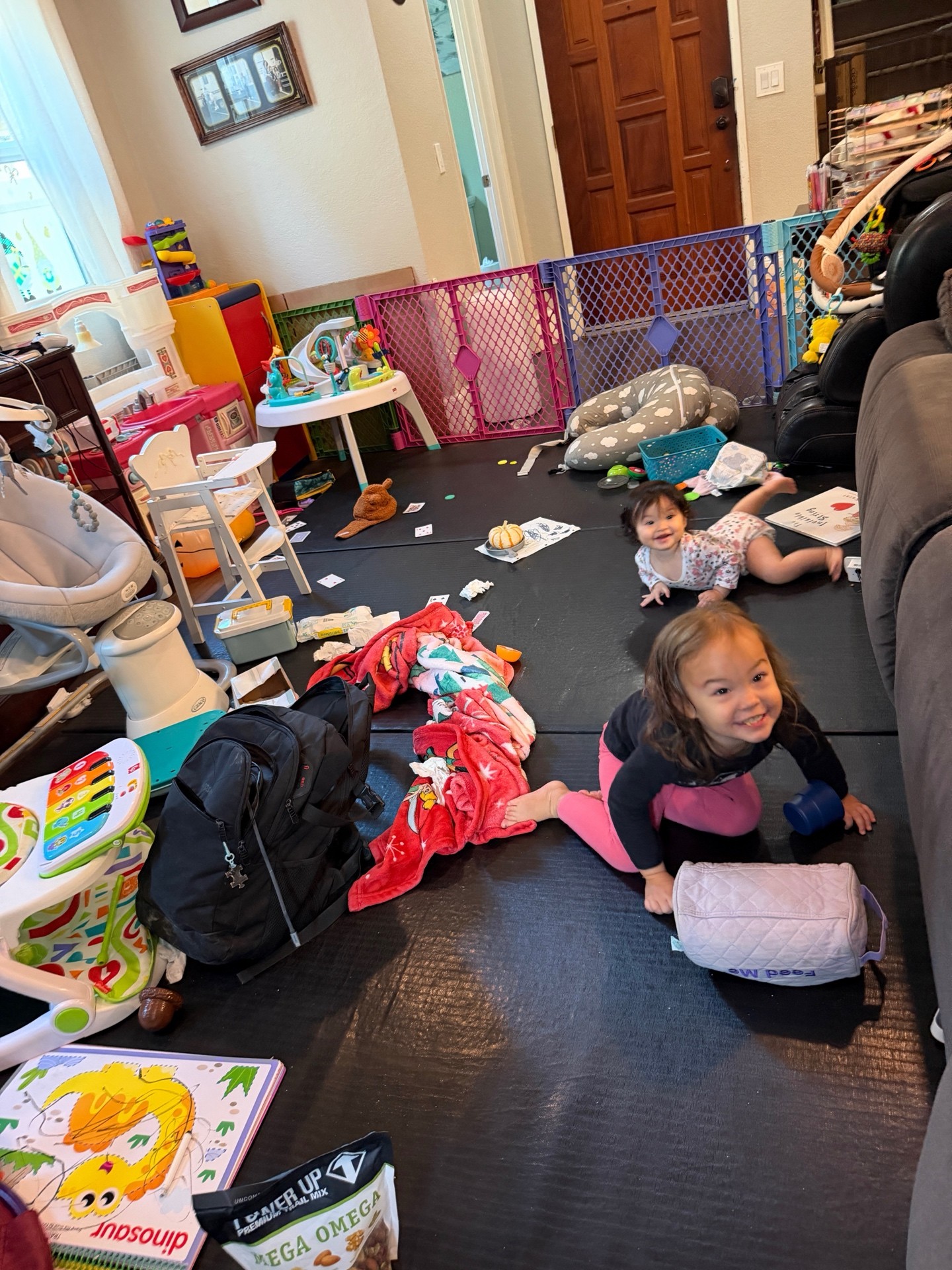
But I always knew that because of the number of variables involved, if I’m attacked in my living room, surrounded by an entire daycare full of toys and a baby, it might be hard to access some of the movements that I’ve drilled. I might also have an unconscious bias toward certain movements that don’t fit the scenario I’m in.
At least I’ve got mats on the floor in here.
3. Reality-Based Self-Defense
The next system of martial arts is reality-based self-defense.
This is your Krav Maga, Kajukenbo, Shaolin Kempo, and Hawaiian Kempo. Arguably, you could say the idea behind Jeet Kune Do falls into this category as well.
These systems try to train for things that will actually happen.
The flaw in this methodology is that people train without actually working through how the bad guy will respond and react to damage.
They think they do, but when they train, they always train as balanced as possible. They aim for target areas that are their favorites, and they think they control the fight.
That leads us to the last category.
4. Violent Encounters and the SPEAR System
Violent encounters are when you have no idea you’re about to have to defend yourself.
You have very little time between stimulus and response, and you go from enjoying your day to fighting for your life in a moment.
This is the situation that the SPEAR System prepares you for.
Now, I like this system for many reasons.
I do wish there were an easier way to drill it, and then we could all look cool in fancy uniforms, sitting in a horse stance, doing punches in a line.
But that’s not how self-defense works.
Just like my nine-year-old is different from my 13-year-old, and I am different from both of them, there should be a unique way that you defend yourself that you can customize to your identity and your strengths and weaknesses.
Many arts pretend to do this, but they don’t, because they all have a bias toward the strikes they use, the techniques they employ, and the things they want you to drill.
The SPEAR System teaches you a methodology that allows you to apply a formula to self-defense.
Much like in math, once you understand how the formula works, you can use it to solve problems, even when you’re missing variables you thought you had to have.
Why I Changed My Entire Martial Arts School
When I learned the system a year and a half ago, I had to change my entire school.
And I’ve never been so angry and thankful to someone at the same time.
On the one hand, I wanted to have a profitable martial arts school that had combat sports, traditional martial arts, and reality-based training.
On the other hand, I have four daughters, and I can’t imagine not teaching them this and focusing most of our time and energy on it.
I used to make sure my kids did wrestling, jiu-jitsu, stick fighting, Hawaiian Kempo, kickboxing, and Thai boxing.
I took them through everything so that they would be able to protect themselves.
But that really doesn’t leave a lot of time in the day for them to be able to do something else.
Martial arts do have other benefits, right?
It’s not like they weren’t good for their confidence, self-control, and discipline.
But I wasn’t taking them for that reason.
Any activity done with an authoritative parent can encourage those things, whether it be baseball, basketball, or dance.
What I wanted was for them to be able to defend themselves.
I wanted them to be safe when they leave my home so that I don’t have to worry about them from now on.
Once I found the SPEAR System, that’s the only thing that mattered.
Why I Will Continue Teaching Kids Real Self-Defense
And I will continue to teach kids for as long as we can, despite the number of Taekwondo and karate schools in the area that preach that they teach self-defense.
They really don’t.
Because you can’t even apply most of that stuff in a violent encounter due to how fast things happen.
They also don’t think about who’s in the scenario and who’s impacted by your actions.
That doesn’t help you protect yourself from an angry parent, a teacher, the law, or a boyfriend who’s getting a little bit too frisky.
There are so many variables when it comes to self-defense.
And it’s so nice to have something that’s going to help make my kids safe.
Even if the world isn’t ready to let go of its fossilized beliefs about what martial arts should be.
See What BMA Can Do For Your Child
First class is free. No pressure, no contracts — just come see for yourself.
Get Our Class Schedule