Brazilian Jiu-Jitsu for Self-Defense: Winning the Fight Doesn’t Mean Winning the War
Years ago, I walked into my Kung Fu teacher’s office and told him I didn’t want to train Kung Fu anymore. I was tired of doing forms. I wanted something that was more applicable to the street.
He’d met Paulo Fernando while surfing at Encinitas Beach and immediately gave me his information. That’s something I always appreciated about my Sifu. He never told me I couldn’t train with other people. He just wanted me to bring what I learned back to Kajukenbo, the Hawaiian Kempo system we were teaching for self-defense.
So I started Brazilian Jiu-Jitsu. Plus at SDBJJ Paulo was a world class Judo black belt. They don’t just start on the ground, they do it all.
Paulo Fernando’s Signature Takedown
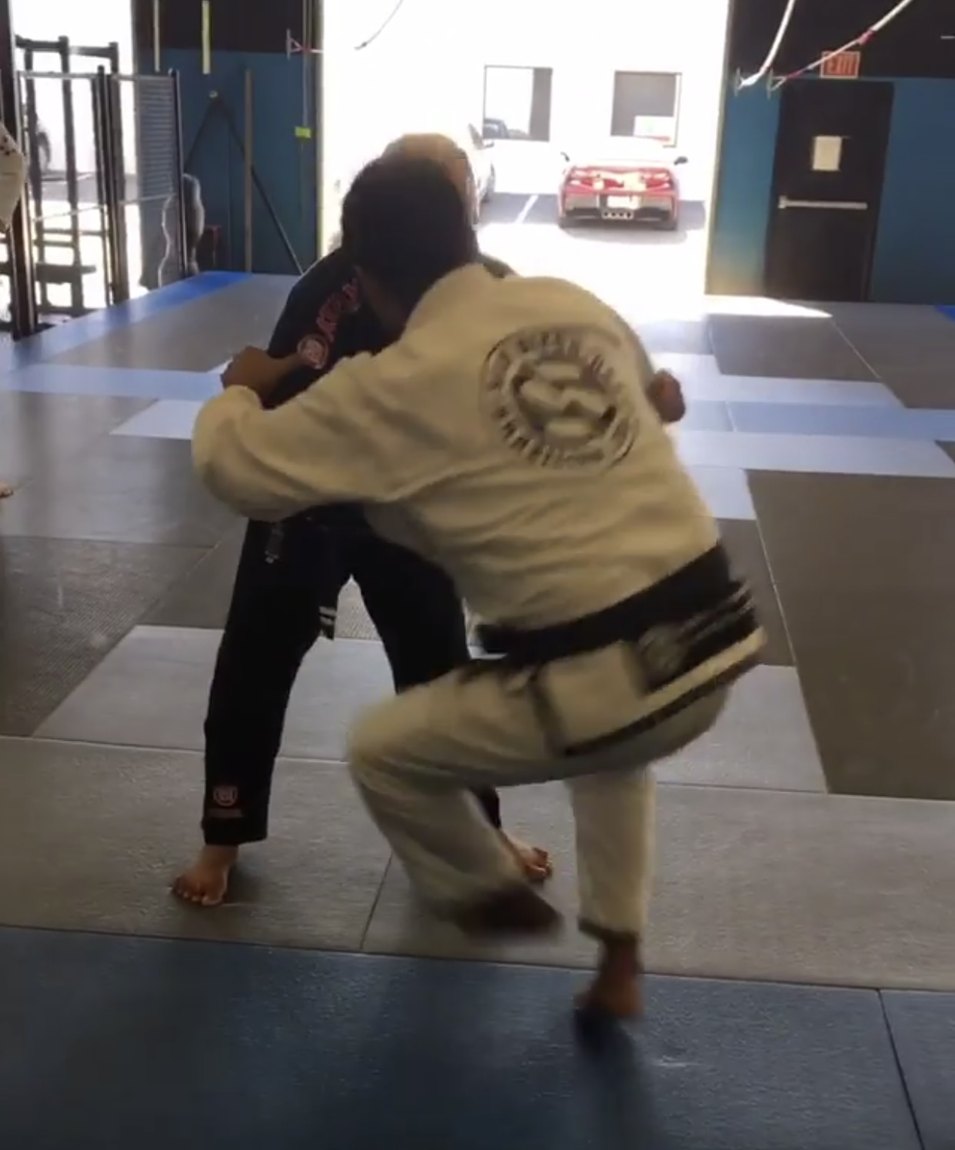
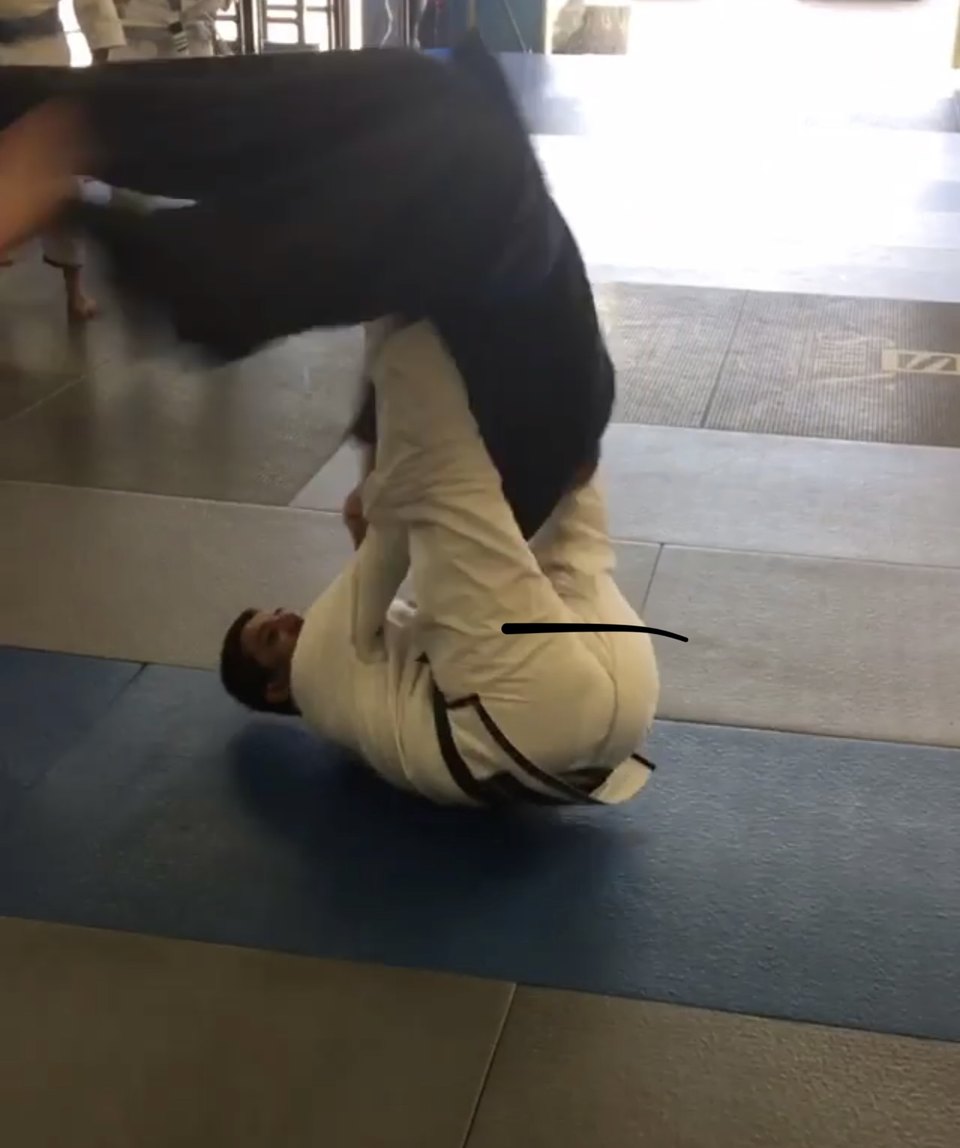
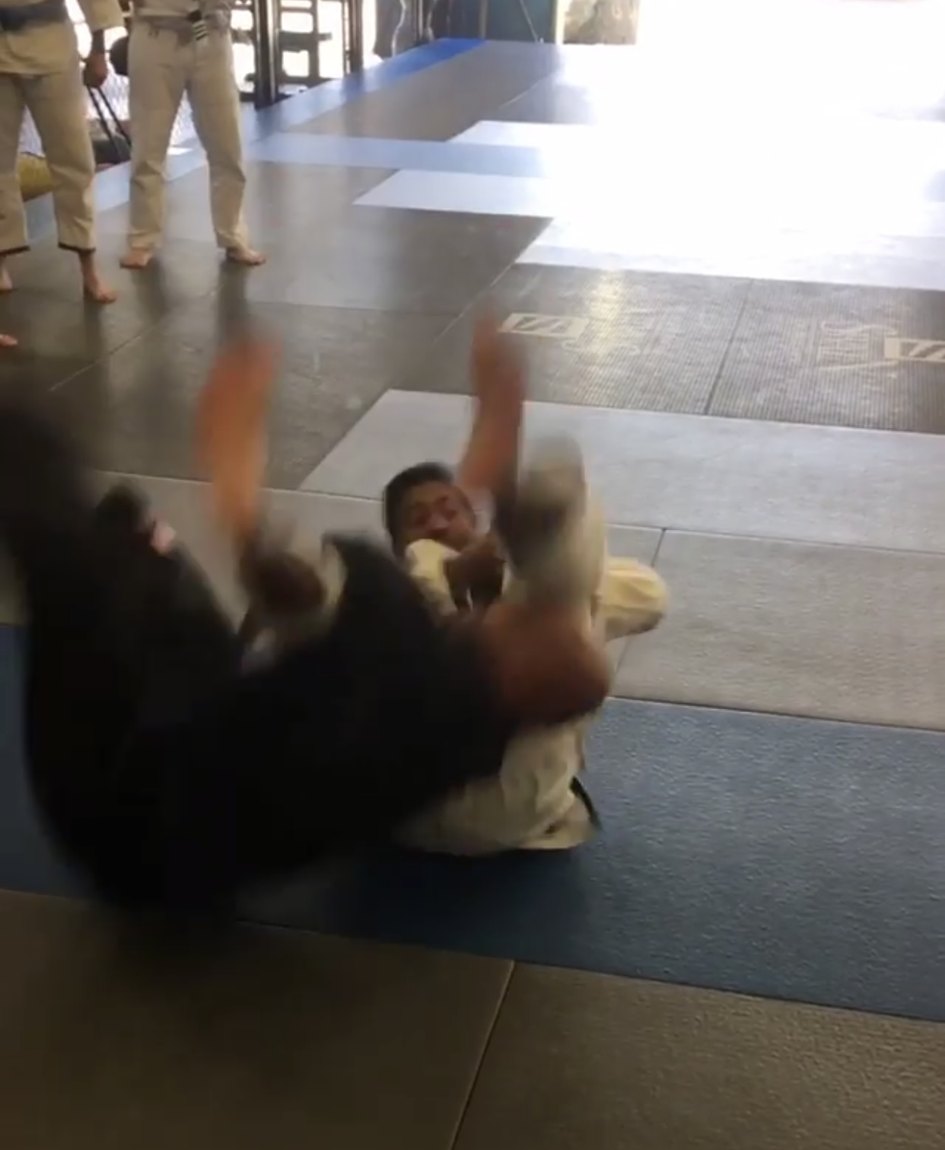
I got my blue gi, which I’d always wanted. My ego was definitely coming through a little bit there.
And I was hooked.
I had a newborn at home, my twin brother was struggling with serious mental health problems, and I needed something to burn off the stress.
Brazilian Jiu-Jitsu was perfect for that.
I was finally training a combat sport that I believed would work if somebody took me to the ground in a real fight.
I trained regularly, earned my blue belt in six months, and eventually earned my purple belt. I also started training Muay Thai. I felt like I was finally becoming a real combat athlete.
But there’s something I didn’t understand back then.
Being better at fighting doesn’t necessarily mean you’re better at protecting yourself.
And sometimes, the skills you develop to win a fight can actually contribute to an outcome you never wanted.
Let me explain.
The Day I Threw My Twin Brother
It was early on a Monday morning.
I drove to my parents’ house to pick up my twin brother, Hank, who had started teaching at our martial arts school again.
We were supposed to run a summer school program together.
But Hank had been drinking all night.
He was experiencing psychosis, struggling with delusions and voices, and using alcohol to try to drown them out.
I had a young child at home, responsibilities at the school, and I was trying to be a responsible adult.
And I was pissed off.
I didn’t have the emotional regulation skills I teach today. I didn’t recognize how my own anger was influencing the situation, and I certainly wasn’t thinking about how to de-escalate it.
Hank got angrier. I got angrier.
Eventually, he charged at me.
There was a scramble, and I executed one of the best hip throws I’ve ever done in my life.
A good old-fashioned ippon seoinage.
He practically fell into it.
He hit the ground hard and broke my coffee thermos.
From a martial arts perspective, it worked beautifully.
From a self-defense perspective?
It was a complete failure.
I had successfully defended myself against my brother’s physical aggression.
But I’d also hurt someone I loved, escalated an already terrible situation, and damaged our relationship.
And that’s where I want people to understand the difference between martial arts training and a comprehensive self-defense system.
Awareness, Consent, and Preparation Aren’t Just About Fighting
One of the most important things I’ve learned training directly with Tony Blauer in the SPEAR System is the importance of awareness, consent, and preparation.
But I think people can misunderstand what those concepts are supposed to accomplish.
It’s easy to think awareness means recognizing a threat, consent means giving yourself permission to fight, and preparation means having the physical skills to win.
That’s not enough.
Awareness, consent, and preparation should help you achieve a more desirable outcome, not simply make you more effective at violence.
Let’s look at what happened with Hank.
Awareness: I knew my brother was drunk. I knew he was experiencing psychosis. I knew he could become aggressive. But I wasn’t paying enough attention to my own emotional state or how my behavior was contributing to the situation.
Consent: I had already mentally accepted the possibility of fighting him. I was angry, and instead of focusing on how to prevent the situation from becoming violent, I was prepared to hurt him if he came at me.
Preparation: I had years of martial arts training. I knew how to throw people, punch people, kick people, and grapple with them.
But what had I prepared myself to do?
Win a fight.
And that’s exactly what happened.
I won the physical confrontation.
But I didn’t achieve the outcome I actually wanted.
I wanted my brother to be safe. I wanted him to get help. I wanted to preserve our relationship. I wanted us to be able to work together.
Throwing him onto the ground didn’t accomplish any of those things.
What Would I Do Differently Today?
If Hank charged at me today, I’d approach the situation completely differently.
First, I’d recognize that my own emotional regulation matters.
I can’t effectively de-escalate someone else’s behavior if I’m allowing my own anger to dictate my decisions.
I’d be thinking about distance, positioning, communication, and whether I even needed to remain in the situation.
I’d be trying to de-escalate before anything became physical using choice speech I’d practiced under stress.
And if Hank suddenly charged at me?
I’d trust my flinch response.
I’d use the SPEAR System to protect myself, manage the danger, and create an opportunity to disengage.
If physical contact became unavoidable, my goal wouldn’t be to punish him or demonstrate how effective my martial arts were.
It would be to protect myself while minimizing unnecessary harm to both of us.
I wouldn’t want to throw my intoxicated, mentally ill twin brother onto the ground if there were safer alternatives.
The objective wouldn’t be to win the fight. It would be to prevent the fight from creating even more damage.
And that’s the distinction I think so many martial arts schools miss.
They teach you how to fight.
Some teach you how to recognize when a fight is about to happen.
But how many actually teach you to evaluate whether fighting is going to produce the outcome you want? Outside of a 5-10% make sure you don’t fight if you don’t have to?
How many teach you that sometimes the safest thing to do is leave, comply, lie, create distance, set a boundary, or de-escalate?
And how many prepare you to make those decisions while you’re angry, afraid, embarrassed, or emotionally overwhelmed?
Because that’s what real self-defense requires.
Self-Defense Is Choosing Safety, Not Techniques
This is also something I plan to bring into my clinical practice when I become a licensed clinician.
I want to be able to work with people who are experiencing serious emotional and psychological crises, including people who may be at risk of hurting themselves or others.
I don’t want to be so afraid of them I can’t stay in defusing.
And I certainly don’t want to approach them as though every potentially dangerous interaction is a fight I need to win.
I want to recognize danger, regulate myself, communicate effectively, and maintain the safest environment possible.
If someone becomes physically aggressive, I want to trust my training to help me protect myself and disengage when possible.
But I never want my physical skills to become the reason I stop looking for a better solution.
That’s the mistake I made with Hank.
And it’s a mistake I don’t want to make again.
So Did Brazilian Jiu-Jitsu and Judo Help Me?
Absolutely.
They gave me physical skills, conditioning, and experience dealing with resistance.
When my brother charged at me, my martial arts training worked.
But that’s also the problem.
My training helped me win a fight I should have been trying to prevent.
And that’s why, at Blur Martial Arts, I want kids to learn something more than how to punch, kick, throw, or submit someone.
I want them to learn how to recognize danger, regulate their emotions, understand their options, and make decisions based on the outcome they actually want.
Sometimes that means fighting.
Sometimes it means running.
Sometimes it means setting a boundary, asking for help, or doing something that doesn’t look confident or courageous to anyone watching.
Because self-defense isn’t about proving how tough you are.
It’s about making it home safely, physically and psychologically, with as little unnecessary damage as possible.
Hank eventually died by suicide.
I can’t say that one fight caused his death. His struggles were far more complicated than that.
But I can tell you that hurting my brother didn’t help him, didn’t help our relationship, and didn’t give either of us what we needed.
And that’s something I’ll carry with me for the rest of my life.
Brazilian Jiu-Jitsu helped me win the fight.
It didn’t help me win the war.
See What BMA Can Do For Your Child
First class is free. No pressure, no contracts — just come see for yourself.
Get Our Class Schedule